

A Sofia walking tour from Lavov most gives you a starting point at one of the city’s early monumental bridges, followed by a route through central landmarks and historic streets. Continue toward Banya Bashi Mosque and Ancient Serdica, then follow the published route to the Rotunda of St George and the National Archaeological Museum.
- Start: Lavov most, also known as Lions’ Bridge.
- Route highlights: Banya Bashi Mosque, Central Mineral Baths, Ancient Serdica and central historic sights.
- Route sequence: from the Central Market Hall area to the mosque, onward to the Central Mineral Baths and Ancient Serdica, then to further historic stops.
- Surface: mostly flat pavement, with cobblestones and uneven stone at a couple of stops.
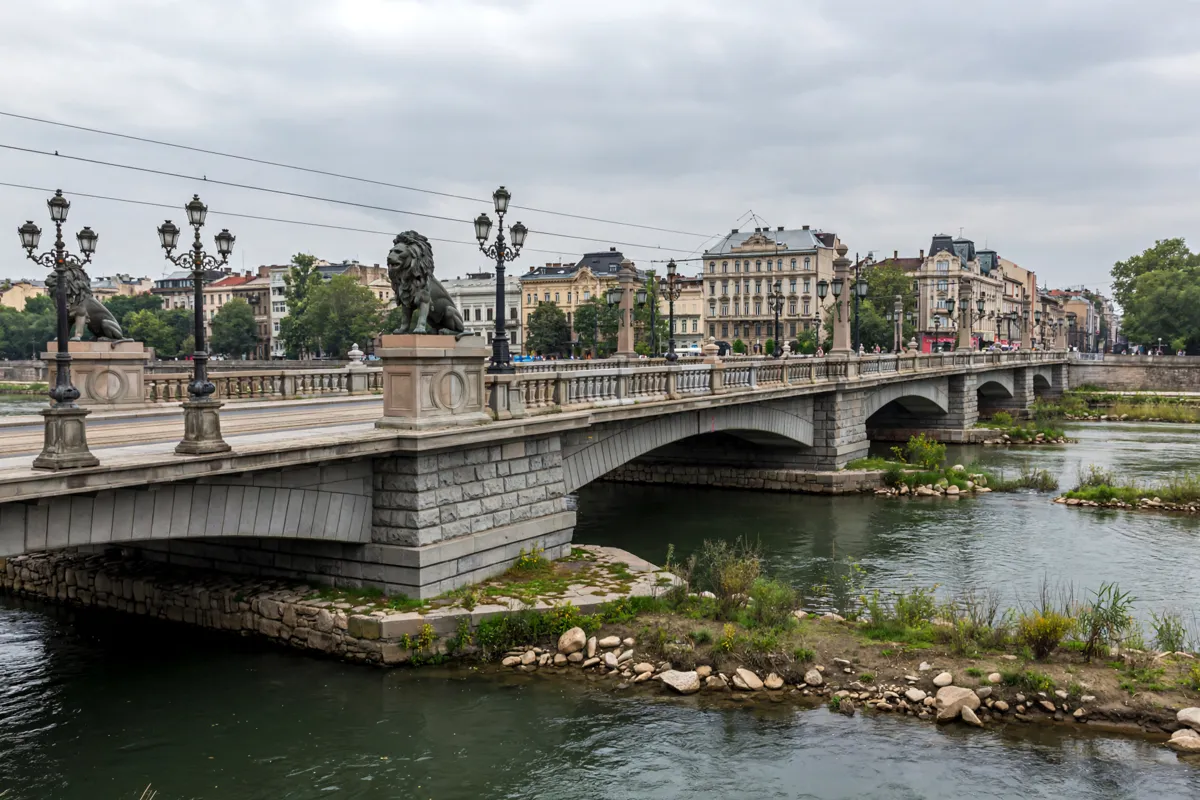
Start at Lavov most
Lavov most is a central Sofia landmark with four bronze lions and a history reaching back to the late nineteenth century. It is about a 4-minute walk from Kniaz Boris Hotel, which offers two-star hotel rooms in Sofia.
The bridge, whose name means Lions’ Bridge, was built from 1889 to 1891 and is one of Sofia’s two early monumental bridges. Czech architect Václav Prošek designed it; Vienna foundries cast its bronze decorative figures and candelabra. Take a moment to look at the lion sculptures before setting off toward the central sights.
Lavov most is served by road transport and sits amid central-city facilities, including hotels, restaurants, shops and a tourist information centre. From the bridge, make your way toward the Central Market Hall area to pick up the published walking route.
The route begins there, so this itinerary joins the bridge and the market area as starting points rather than claiming a specific connecting distance.
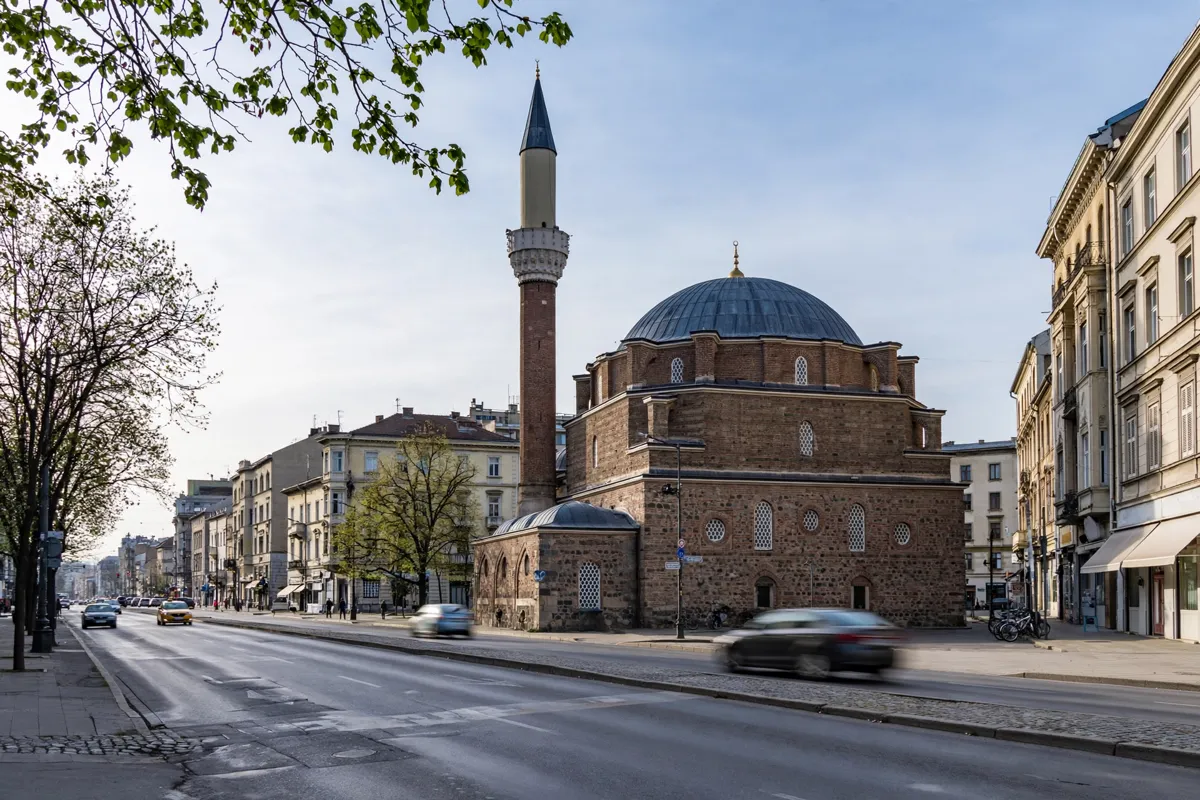
Walk toward Banya Bashi Mosque
Banya Bashi Mosque is a sixteenth-century landmark on Knyagina Maria Luiza Boulevard, between the Central Market Hall area and Ancient Serdica.
Sofia Municipality describes Banya Bashi as the city’s only active Muslim temple and dates its construction to 1566–1567, attributing the design to Kodja Mimar Sinan Aga. The official Sofia tourism listing says the mosque was built on natural mineral springs and that its name means “many baths.”
From the Central Market Hall area, the published route leads to the mosque, then onward to the Central Mineral Baths and Ancient Serdica. The mosque’s address is 18 Knyagina Maria Luiza Boulevard. For more context on its location and history, read this Banya Bashi Mosque guide.
If you plan to enter, the Sofia old-town walking guide advises non-Muslim visitors to go outside prayer times, remove their shoes and dress appropriately. Allow about 10 minutes for the visit. Check the official site before you go, particularly for current access arrangements.
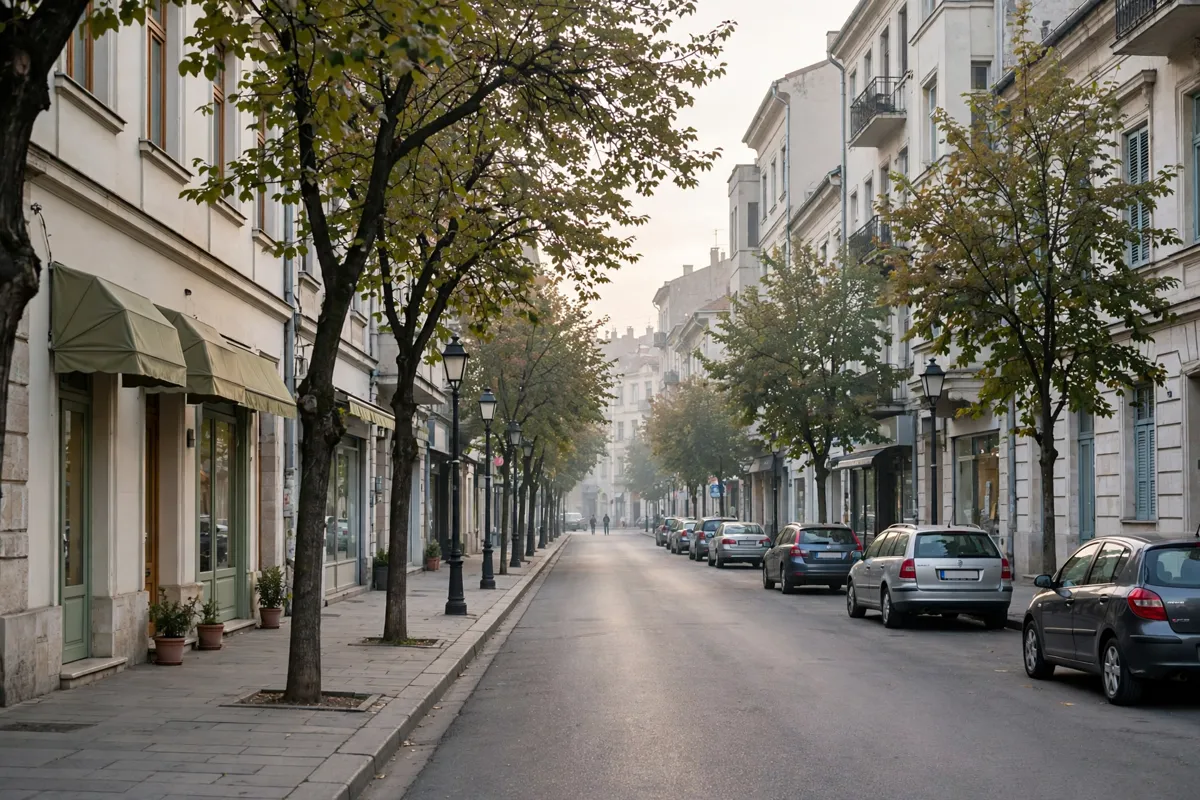
Continue to central museums and historic streets
From Ancient Serdica, continue on foot to the Rotunda of St George and the National Archaeological Museum, then add City Garden and the National Theatre to the day’s historic sights.
The published route continues from Ancient Serdica to the Rotunda and then to the National Archaeological Museum. Its other central stops include City Garden and the National Theatre. This sequence keeps archaeological remains, historic architecture and a central garden within one walking itinerary.
City Garden offers a park-focused pause in the same historic area; its setting and visit details are covered in this City Garden guide.
The published route names the National Archaeological Museum, while its list of historic stops also includes the Rotunda of St George. Treat the route as a framework for linking these places, rather than a timed itinerary: the listed walking distances do not include time spent at each stop.
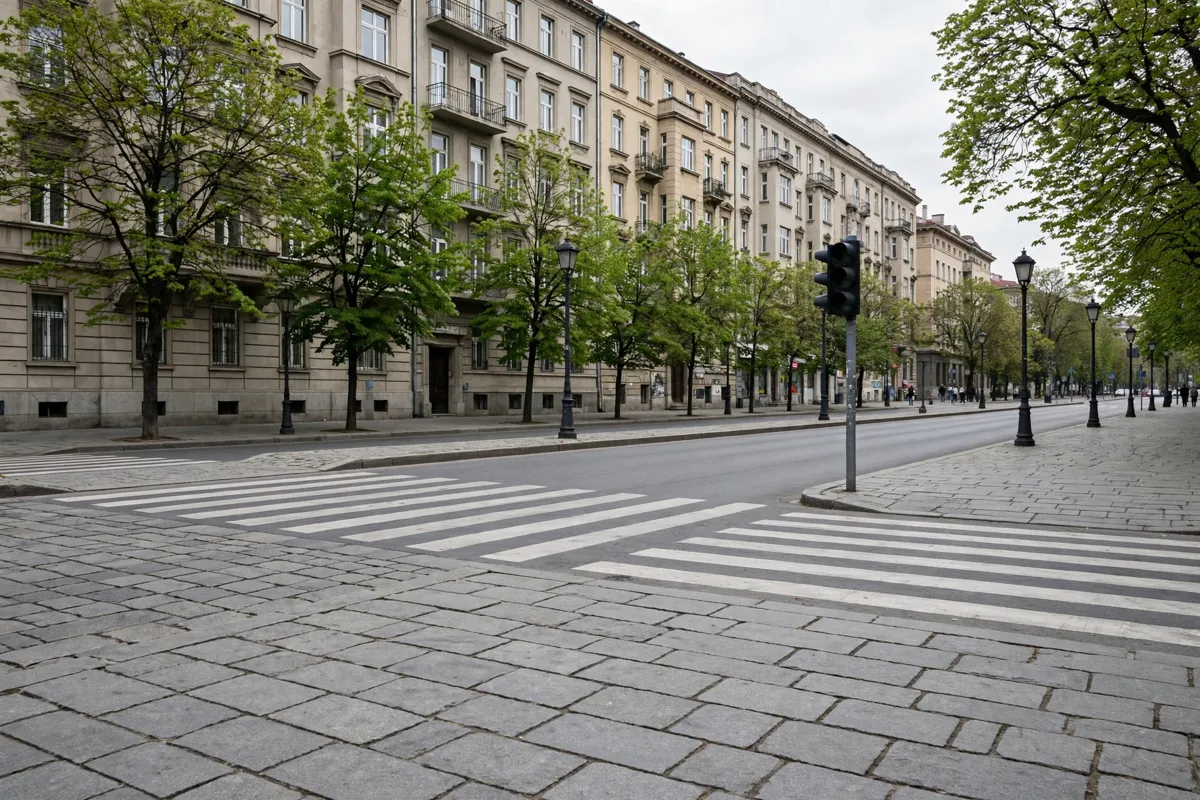
Plan the route for weather and access
Most of the Sofia old-town route follows flat pavement, but cobblestones at Cathedral Square and uneven stone in the Rotunda courtyard call for care underfoot.
Keep those surface changes in mind when planning your order and pace. The walking guide’s surface notes apply to the old-town route, not necessarily every pavement between Lavov most and the Central Market Hall area. At Banya Bashi Mosque, follow the guidance on prayer times, footwear and appropriate dress if you intend to enter.
Weather can affect how comfortable the outdoor stretches feel, but no fixed seasonal schedule or route timing is given. Before setting out, check official visitor information for the mosque and any sights you plan to enter.
FAQs
What is Lavov most known for?
Lavov most is known for its four bronze lion sculptures and as one of Sofia’s two early monumental bridges.
Can non-Muslim visitors enter Banya Bashi Mosque?
The Sofia old-town walking guide advises non-Muslim visitors to enter outside prayer times, remove their shoes and dress appropriately.
Which historic sights are on the central walking route?
The published route includes Ancient Serdica, the Rotunda of St George, the National Archaeological Museum, City Garden and the National Theatre.